
Choosing the correct lotion pump size is a critical step in cosmetic and personal care packaging design. Lotion pumps are widely used for dispensing products such as hand lotions, shampoos, conditioners, liquid soaps, body creams, and skincare serums. However, selecting the wrong pump size can lead to sealing problems, poor dispensing performance, and an unsatisfactory user experience.
Two of the most commonly used sizes in packaging are the 24mm lotion pump and the 28mm lotion pump. While the difference may appear small, these two sizes are designed for different bottle specifications and product viscosities. Understanding how they differ — and how to choose between them — can help brands ensure both packaging compatibility and product functionality.
This guide explains the key differences between 24mm lotion pumps and 28mm lotion pumps, how to determine which one fits your bottle, and what factors to consider when sourcing pumps for large-scale production.
Why Is Lotion Pump Size Selection So Important?
The lotion pump must match the bottle neck precisely. Even a slight mismatch can cause a variety of packaging and functional problems.
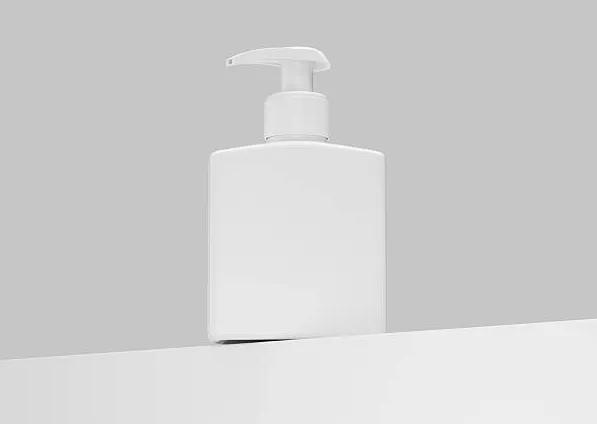
Problems Caused by Incorrect Pump Size
If the pump size does not match the bottle neck, the following issues may occur:
- Inability to tighten the pump properly: The pump may not screw onto the bottle securely if the neck size differs.
- Leakage or poor sealing: A mismatch between pump and bottle threads can lead to liquid leakage during transport or use.
- Unstable dispensing performance: Pumps that do not fit correctly may feel stiff, loose, or inconsistent when pressed.
- Unbalanced packaging appearance: A pump that is too small or too large can disrupt the visual proportions of the bottle.
For these reasons, selecting the correct 24mm lotion pump or 28mm lotion pump is essential for ensuring packaging stability, product safety, and user satisfaction.
Key Differences Between 24mm Lotion Pump and 28mm Lotion Pump
Although both pumps serve the same dispensing function, they differ in several technical aspects, including neck size, thread specifications, output volume, and application range.
1. Size Definition
The numbers 24mm and 28mm refer to the approximate outer diameter of the bottle neck.
- 24mm lotion pump – typically used with bottles featuring a 24mm neck size, often labeled 24/410.
- 28mm lotion pump – used with bottles that have a 28mm neck size, commonly labeled 28/410.
These measurements ensure compatibility between the pump closure and the bottle opening.
2. Thread Specifications
Bottle necks and pumps follow standardized thread finishes.

The most common thread type used with lotion pumps is 410, but other variations such as 415 also exist.
- 410 thread
- Shorter neck height
- Fewer thread turns
- Commonly used for standard packaging closures
- 415 thread
- Taller neck finish
- More thread turns
- Provides stronger attachment for pumps and sprayers
Understanding the correct thread specification is essential when selecting a 24mm lotion pump or 28mm lotion pump.
3. Dispensing Output
Another key difference lies in the amount of product dispensed per pump.
Typical dispensing volumes include:
24mm lotion pump output
- Usually 1.0ml – 2.0ml per pump
28mm lotion pump output
- Usually 2.0ml – 4.0ml per pump
The larger pump size allows for higher output, which is particularly useful for thicker or high-viscosity formulations.
4. Product Compatibility
Because of their different sizes and output volumes, the two pump types are often used for different product categories.
| Pump Size | Typical Bottle Size | Suitable Product Types | Key Advantages |
| 24mm Lotion Pump | Small to medium bottles (100–300ml) | Facial lotions, hand lotions, liquid soap, light skincare products | Precise dispensing, lighter pumping force |
| 28mm Lotion Pump | Medium to large bottles (250–500ml) | Body lotion, shampoo, conditioner, hair care products | Higher output, better for thicker products |
How to Determine Whether Your Bottle Needs a 24mm or 28mm Lotion Pump
Selecting the right pump size begins with evaluating your bottle specifications and product characteristics.
1. Measure the Bottle Neck Diameter
The simplest way to determine compatibility is to measure the bottleneck.
Steps include:
- Use a caliper for precise measurement.
- Measure the outer diameter of the bottle neck.
- Record the measurement in millimeters.
If the measurement is approximately 24mm, a 24mm lotion pump is required.
If the measurement is around 28mm, a 28mm lotion pump should be used.
2. Check the Bottle Thread Specification
Many bottles are marked with standard thread codes, such as:
- 24/410
- 28/410
The first number indicates the neck diameter, while the second number refers to the thread finish type.
If the bottle does not display these specifications, it is best to request technical drawings from the supplier.
3. Consider Product Viscosity
Product viscosity also influences pump selection.

- Low to medium viscosity products often perform well with 24mm lotion pumps.
- Thicker formulations such as body creams or conditioners usually work better with 28mm lotion pumps, which allow higher output and smoother dispensing.
How Pump Size Affects User Experience
Beyond technical compatibility, pump size also influences how consumers interact with the product.
Pumping Force
Larger pumps often require slightly more pressing force, but they deliver more product with each press.
Dispensing Control
A 24mm lotion pump provides more controlled dispensing for lighter products.
A 28mm lotion pump offers higher output for larger-volume applications.
Ergonomic Design
Pump head size and shape can affect hand comfort. For large bottles such as shampoo containers, a 28mm pump often feels more natural to use.
Key Factors to Consider When Purchasing Lotion Pumps in Bulk
When sourcing pumps for large-scale packaging production, several quality factors must be evaluated.
Mold Tolerance
Precise manufacturing tolerances ensure the pump fits the bottle neck properly.
Pump Core Quality
The internal pump core determines:
- Smooth pressing performance
- Consistent dispensing
- Long-term durability
Leak Prevention
A high-quality lotion pump should include reliable sealing components to prevent leakage during shipping and storage.
Locking Mechanism
Many lotion pumps include locking designs such as:
- Left-right lock pumps
- Clip lock pumps
These mechanisms help prevent accidental pressing during transportation.
Conclusion
Choosing the correct pump size is a key step in cosmetic and personal care packaging design. Selecting between a 24mm lotion pump and a 28mm lotion pump affects not only bottle compatibility but also product dispensing performance and user experience.
Before finalizing your packaging solution, it is important to:
- Measure the bottle neck diameter accurately
- Confirm thread specifications such as 24/410 or 28/410
- Consider the viscosity of the product
- Test pump performance with actual formulations
By selecting the right pump size and working with a reliable supplier, brands can ensure that their packaging delivers both functional reliability and a high-quality consumer experience. As a professional packaging supplier, Sharing Pack provides a wide range of lotion pumps and custom packaging solutions designed to meet the needs of global personal care and cosmetic brands.
FAQ
Can a 24mm lotion pump be used on a 28mm bottle?
No. Lotion pumps must match the bottle neck size exactly. A 24mm lotion pump cannot be securely attached to a 28mm bottle, and using the wrong size can lead to leakage and poor sealing.
Does a 28mm lotion pump always dispense more product?
Generally yes. A 28mm lotion pump usually provides a larger dispensing volume than a 24mm pump, but the exact output depends on the pump core design and manufacturer specifications.
How can I confirm the bottle thread type?
Bottle thread specifications can usually be identified through markings such as 24/410 or 28/410. If the bottle is not labeled, you can measure the neck size or request technical drawings from your packaging supplier.


